3 cups good quality chicken stock (use veggie stock as a substitute)
1 ½ pound chicken breast fillet, cut into 2 inch pieces (use Lion’s Mane as a substitute)
1 pound fettuccine
1/2 Romanesco cauliflower florets
1 cup chopped butternut squash
1 teaspoon sugar
Salt to taste
1 lime, cut into wedges
Sambal olek for garnish
Steps
1. Begin by preparing the spice paste: add the lemongrass, onion, garlic cloves, galangal, ginger, chili paste, macadamia or cashews if using, cumin and turmeric into a blender with 1 cup of water to keep the blades moving and blend until smooth.
2. Heat oil in a deep stock pan, when hot add the paste and stir-fry on medium heat until aromatic, about 15 minutes or until the oil separates on the surface. Slowly add the coconut milk and chicken stock, stirring. Bring to a boil, lower the heat and allow to simmer for 10 minutes.
3. Add chicken, zucchini and butternut squash and simmer on low until the chicken is cooked, about 10 minutes. Add salt and sugar to taste.
4. Meanwhile, in a large pot of boiling salted water, cook the fettuccine until just al dente. Drain the fettuccine.
5. To serve, divide the fettuccine into serving bowls. Top with chicken, vegetables and pour the sauce over the fettuccine. Garnish each bowl with fresh limes and a dash of sambal olek.
Next, use your fingers to tear mushrooms into larger than bite-sized pieces.
Fill a large pot or pan with water (about 6-8 cups depending on the pan size) and bring it to a boil. Then, add ½ teaspoon of sugar into the hot water.
Add mushrooms and cook for about 3 minutes until slightly tender. Cooking time may be shorter for smaller mushrooms pieces.
Drain out the water. Once cooled, using your palms, gently squeeze mushrooms to remove all the liquid and transfer to a bowl.
Meanwhile, whisk together flour and water into a thin paste, set aside.
Rub mushrooms with cumin seeds, cumin powder, chili powder, salt, and mushrooms seasoning until all mushrooms are coated. [Increase the salt if you plan to serve this as-is]
Add the batter and sesame seeds, then use your fingers to coat the mushrooms until well combined.
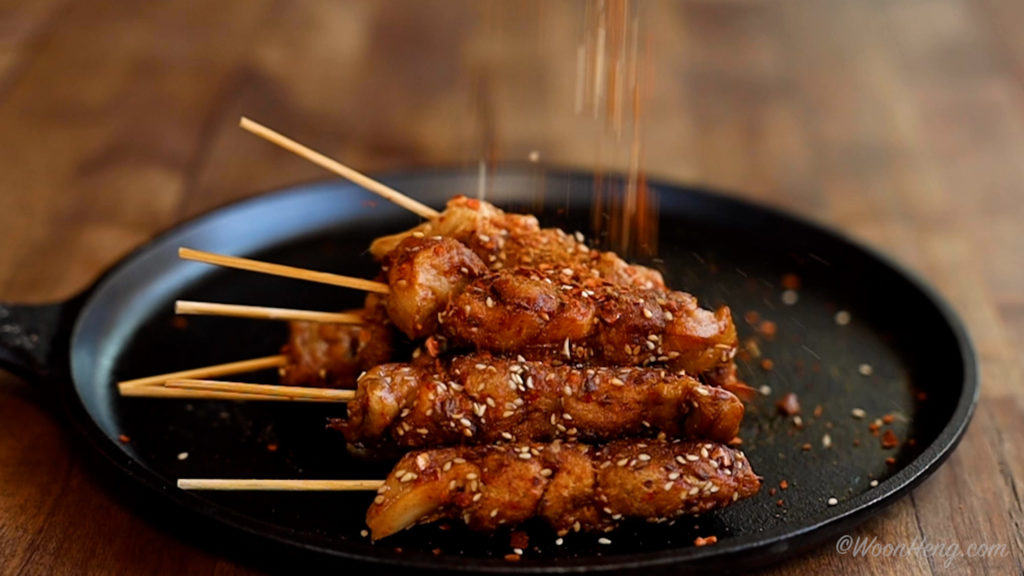
Thread a few pieces of mushrooms (about 4) onto the skewer. Repeat until all mushrooms are done. (I got about 9 skewers)
Set a large shallow pan (big enough to fit the skewer) over medium-low heat. Cover the bottom with a thin layer of oil (see video or picture above for reference).
Carefully lower the skewer onto the hot oil.
Cook until all sides turn golden brown and a thin crust forms, turning occasionally. Please make sure to maintain a light sizzle over medium-low heat and fully cook through the mushrooms.
To prepare another spice mix for topping, combine 1 tablespoon of cumin powder and chili powder with ¼ teaspoon of salt.
Sprinkle onto the cooked mushrooms before serving. Alternatively, serve the skewers with chili oil and sediment for a spicier kick.
Anti-Inflammatory Golden Tonic
Ingredients
2 cups filtered water
2 bags green tea
5 sprigs fresh thyme, lightly bruised with the side of a knife
1 (2 inch) piece peeled ginger, finely grated
1 (2 inch) piece peeled turmeric, finely grated
1 tablespoon honey, preferably manuka
1 tablespoon raw unfiltered cider vinegar
Ice cubes
2 cups chilled sparkling water
Lime wedges for serving
Directions
Bring filtered water to a gentle simmer in a small saucepan over medium-high heat. Add tea bags, thyme, ginger, turmeric, honey and vinegar, stirring to dissolve the honey. Reduce heat to low and let the mixture steep for 15 minutes. Strain through a fine-mesh sieve into a mason jar. Refrigerate for 1 hour.
Fill 4 glasses half full of ice. Divide the tonic mixture evenly among the glasses (about 1/2 cup tonic per glass). Top each with 1/2 cup sparkling water. Serve with a lime wedge, if desired
PREP TIME: 15 COOK TIME: 20 TOTAL TIME: 35 MINUTES YIELD: 5 ½ CUPS ( SERVES 3-4)
** Indicates Items you can Purchase from the Farm Stand or through our Web Store: find out more information about shopping on line through Outer Aisle’s longest running Community Supported Agriculture project.
1 medium head cauliflower, chopped small (slice into 1/2 inch slices, then chop) **
2 1/2 cups veggie or chicken broth (or use water and 2 bullion cubes)
2 teaspoon yellow curry powder
1 teaspoon coriander
1/4 teaspoon turmeric
3/4 teaspoon salt
3/4 cup cans of coconut milk **(equal parts liquid and solid) See notes for substitutions.
a squeeze of lime ** (tablespoon) or orange juice is nice too.
Garnish Toasted coconut flakes**, cilantro ** or scallions** or sprouts.
INSTRUCTIONS
Heat oil in a large heavy bottom pot or dutch oven, over medium-high heat. Add onions, sauté 2-3 minutes. Add garlic, ginger and apple and keep sautéing, turning heat down if need be, until golden and fragrant, about 4-5 minutes. Add cauliflower, broth, curry powder, coriander, turmeric and salt. Stir.
Bring to a boil, cover and simmer on low heat until cauliflower is very very tender, about 15 minutes
Puree until very smooth- either using an immersion blender or blender (in batches).
Add the lime juice, and stir in the coconut milk. (I used about 1/2 of a 14-ounce can, both solids and liquid- feel free to add more coconut milk to taste- personally, it felt too heavy using it all-but up to you! If you do add more, you may need more salt.)
Garnish with a little swirl of coconut milk, toasted coconut flakes, cilantro leaves (or scallions or micro greens).
It’s fun to catch a glimpse of all that Outer Aisle represents as we ebb and flow through the evolution of 30 years plus of farming and cultivating love.
Music by Lauren Robinson off her album, Luminous Love
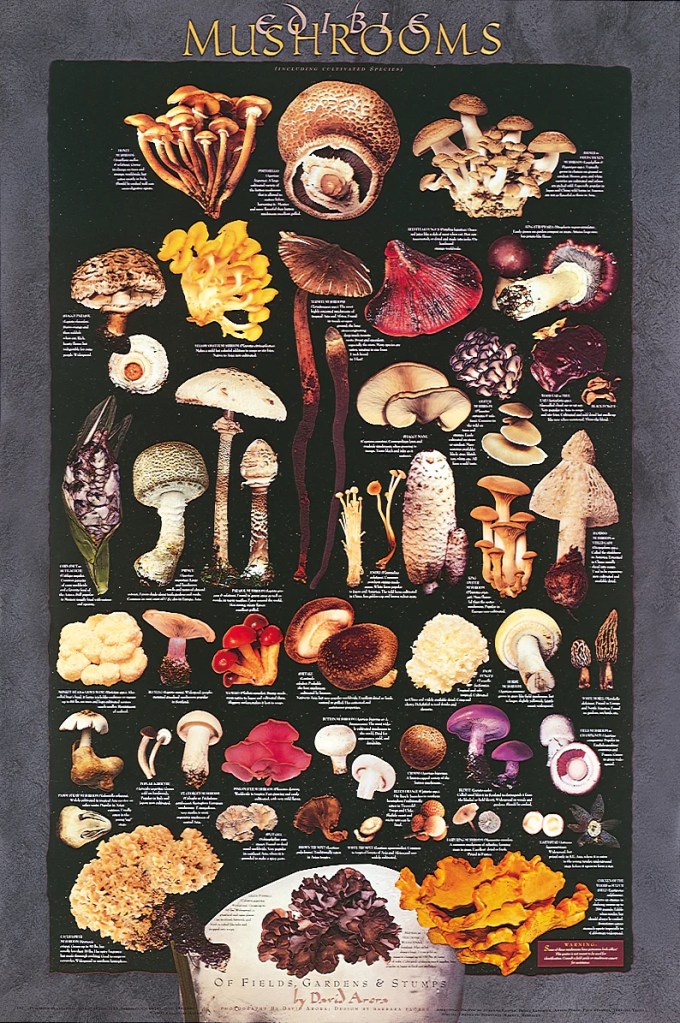
MUSHROOMS are the fruiting bodies of fungi that live most of their life underground. The mycelia of the underworld provides some of the healthiest protein rich vegetarian sources available readily, all year round to our diets.
We’ve been shopping for this essential food from great sources such as Far West Fungi and even locally with Jordan from Dambacher Farms. We’ve experimented extensively with them all and have favorite dishes and tips on how to create tasty dishes from these earthly beings.
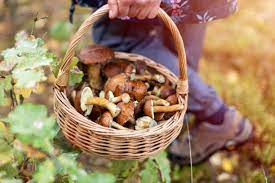
Our centenarian neighbors with wide eyes and expressive faces remember the days of collecting wild mushrooms. They were Italians and sought after the Porcini mushroom having learnt the ways of preservation in their home country. Josephine could be heard reciting the preparation of the mushrooms: bay leaves from the bushes by the creek and peppercorns (likely procured along with salt, buckshot and olive oil) added to dried mushrooms and left to “cure”. It was a few years after the Old Gulch Fire of 1992 that we learned of the whereabouts of these favored mushrooms and it took twenty years after the burn before the brush was big enough for the mycelia to once again make their homes. Josephine was right – about 20 years and that’s what it took.
Knowing the difference between varieties and cooking methods:
Shittakes, Maitake both lend themselves to the dry sauté method: the key is to release moisture and use that moisture to further cook the mushroom. Heat a skillet to medium hot and pull apart the mushrooms (or slice, stems removed on the shiitake). As soon as they start squeaking and their own moisture begins to soften and cook – it’s at this moment that you’ll want to add a little butter to the pan and continue cooking until slightly crispy. Once cooked they can be added to any dish from pizza toppings to pasta dishes. Stored in an air tight container in the fridge they can be pulled out at any moment.
Oyster, Lions Mane, Trumpet, Cremini all prefer to be cooked in a little oil or butter from the start. Oysters and Lions Mane work amazing as a chicken or fish substitute, delicious rolled in egg and breadcrumbs. Trumpet mushrooms are like steaks and cremini added to sauces.
Josephine’s Porcini Rice
2 cups rice (White Basmati is our go too for this recipe)
3 cups stock
1/2 cup porcini powder
EVOO
With a little oil on the bottom of the saucepan stir rice until coated and cook on medium heat, stirring often until rice is browned (5 – 8 mins). Add the 1/2 cup porcini powder, stock to the pot, allow to boil. Cover and turn the pot down to low until the rice is fully cooked.
**For extra deliciousness – Melt a tablespoon of butter or two in a cast iron pan and cook the rice until well coated and crisped. Add a handful of garden peas.
Heat oven to 350. Bring a large pot of lightly salted water to boiling. Add pasta and cook 8 minutes, or about 1 – 2 minutes less than package directions. Drain and set aside. Meanwhile, in a large skillet, heat 1 TBS of butter and oil over medium heat. Add shallots and cook for 3 mins. Remove and put to the side. Add mushrooms (see dry sauté method above), add a little butter and continue cooking until well done and slightly crispy. Add the thyme and garlic and cook for a few more minutes. Add the shallots and 1 TBS butter to the pan, sprinkle the flour and begin to make a roux by adding milk a little at a time until the sauce develops. Remove from heat and stir in cheese, salt and pepper until smooth. Stir in cooked pasta.. Pour mixture into a 13x9x2 inch baking dish. Bake at 350 for 20 minutes until lightly browned and bubbly.
In a 21/2 quart saucepan over medium heat, melt the butter and swirl to coat the pan. Add the shallot and sauté until soft but not browned, about 1 minute. Add the mushrooms and sauté. Stir frequently, until the mushrooms soften and give up their juices about 5 minutes.
Meanwhile, in a small bowl whisk together flour and 1/2 cup of the stock until the flour is dissolved. Add the remaining 2 1/2 cups stock to the mushrooms in the pan and bring to a simmer. Whisk in the flour mixture and simmer until the gravy thickens about 5 minutes. Taste and adjust the seasoning with salt and pepper. Keep warm until ready to serve.
Wonderful paired with Stuffed Winter Squash or simply on rice or over Josephine’s Porcini Rice.
Shiitake Mushrooms with Baby Bok Choy
This quick recipe is delicious served simply with rice for a nutritious meal on the run.
1/4 lb shiitake mushrooms (quartered into chunks with stem intact)
Half or Quarter bok choy depending on size and wash thoroughly
2 TBS Coconut, Sesame or Butter
1 clove garlic, chopped
Chile pepper flakes to taste
Tamari, Bragg’s Amino or Soy sauce
Cook mushrooms first using the dry sauté method. Put a cast iron pan on high heat. Add mushrooms without oil stirring occasionally to prevent sticking until juices are extracted and they start to squeak. Add 2 TBS oil or butter to the pan and add the garlic, pile flakes and bok choy to coat. Cook for a few minutes and splash with water or stock to braise and finish cooking. Add a couple of splashes of soy sauce to season and serve.
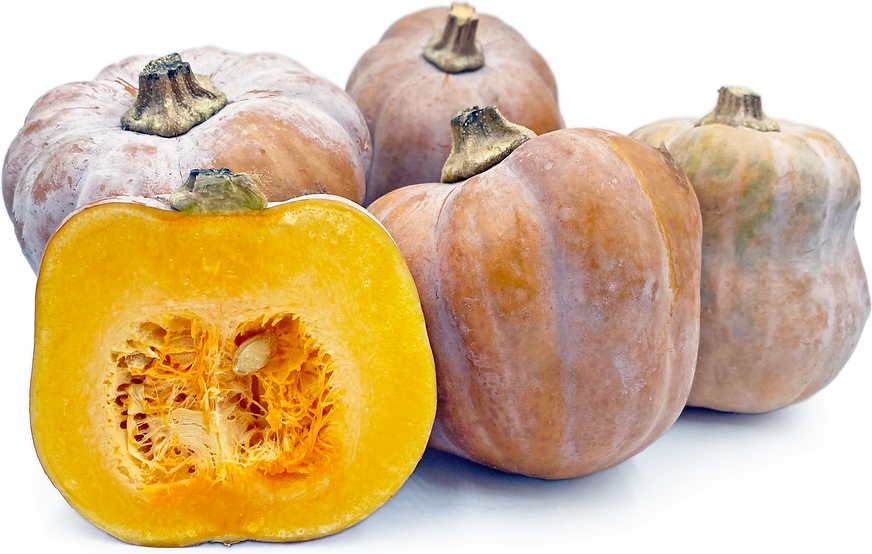
Preheat oven to 400˚F. Holding each squash securely on its side, remove the stem by firmly knocking it several times with the top (blunt) end of a chef’s knife—it should pop right off. Working top to bottom, slice each squash in half, then use a spoon to scoop out the seeds. (Compost the seeds, if possible, or clean, roast and eat them.) Salt and oil the cut sides of the squash halves, then place them cut-side down on a baking sheet. Roast in the oven for 35 minutes. Remove the sheet from the oven, use tongs to flip the squash halves over, and brush more olive oil over the tops. Return to the oven and continue roasting until soft and caramelized, about 15 to 20 minutes more. Finish with a drizzle of good olive oil and a sprinkling of crunchy salt. To make the purée: Let the roasted squash halves cool completely. To mash the squash, you can either use a tamis sieve (often used for sifting flour) or a wire baking rack. If using the tamis, scoop the flesh out of the skins with a spoon, then force it through the sieve with a flexible spatula or bowl scraper into a medium bowl below. If using the baking rack, rest it over a medium bowl and place one of the squash halves over the rack, flesh-side down; pushing gently but firmly, smear the squash back and forth to force the flesh through the rack. You should be left with the skin still in your hand, but a very fine mash in the bowl. Repeat with the rest of the squash halves. Transfer the mashed squash into the bowl of a food processor, and blend until completely smooth, taking breaks to scrape down the sides of the bowl. If the squash does not move once the food processor is running, add a small amount of water to get it going; no added moisture is ideal, however.If you’re planning to use this versatile unseasoned purée at a later date, pack it into labeled airtight containers and store it in the freezer. If, however, it tastes too delicious to wait, eat immediately seasoned with salt, lemon juice and generous amounts of good olive oil, butter or brown butter.
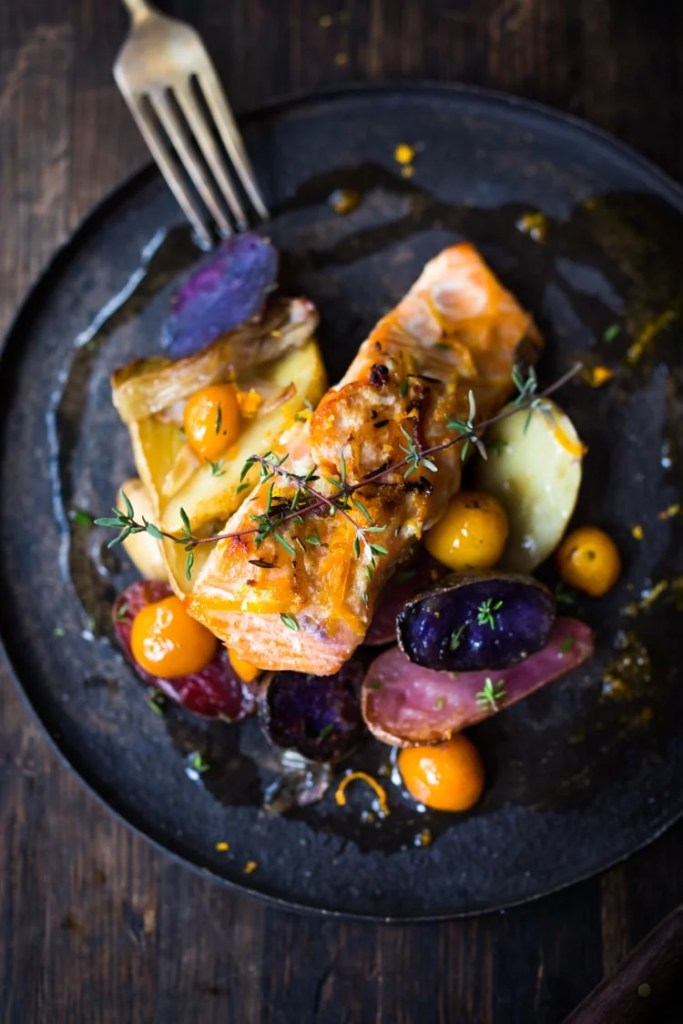
Citrus Baked Salmon with roasted potatoes in a flavorful citrus marinade. With only 15 minutes of hands-on time, this simple easy sheet-pan diner recipe is perfect for busy weeknights! Healthy and Light! Serve it up with the Everyday Kale Salad!
INGREDIENTS
1 lb mini potatoes, halved
2 tablespoons olive oil
3 shallots, cut into thick wedges
1 1/2 cups (2-3x)mandarins sliced
generous pinch salt and pepper
1 lb wild salmon – skinless, and portioned into 4, 4-ounce pieces
a few thyme sprigs
Citrus Marinade:
2 tablespoons olive oil
1 tablespoon honey
2 garlic cloves, finely minced ( use a garlic press)
zest from two mandarins, divided
juice from two mandarins divided
1 teaspoon salt
1/2 teaspoon cracked pepper
1/4 teaspoon cayenne
Garnish: additional thyme sprigs, squeeze of orange
INSTRUCTIONS
Preheat oven to 425F (you will turn this down later in recipe)
Place potatoes, shallots, and citrus on a parchment-lined baking sheet and drizzle with olive oil and sprinkle with salt and pepper. Toss to coat well and spread out. Bake 20-25 minutes, or until potatoes are fork-tender.
While the potatoes are roasting, make the citrus marinade. Stir the olive oil, honey, garlic, 1/2 of the orange zest, 2 tablespoons of the orange juice, salt, pepper and cayenne in a small bowl. Place the salmon in a shallow bowl and pour the marinade over top, turning salmon to coat all sides. Leave on the counter.
When the potatoes are fork-tender, lower heat to 375F.give them a quick toss and nestle the salmon in between the potatoes, drizzling any remaining marinade over the salmon filets. Scatter with a few thyme sprigs and bake until salmon is cooked to desired doneness (8-12 minutes, depending on thickness or the filets). If you have a broiler in your oven, broiling the salmon for the last few minutes adds beautiful color.
Garnish with remaining orange zest, thyme and a squeeze of orange juice to taste.
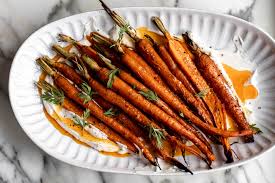
A fall and winter and spring favorite – so easy and so satisfying! A crowd pleaser too – especially our sweet carrots as the night’s get cooler carrots send out sugar molecules to help protect their roots from freezing hence sweeter carrots.
Any amount of carrot from a handful to several pounds – but make sure they are ours!
First wash the carrot – no need to peel (in fact it’s better if you don’t), keep the tails and top end on if you can as it looks great as a finished dish.
Boil water in a large pot and drop the carrots into the boiling water to blanch them for 5 minutes. You don’t want to cook them – soften them slightly. Test by pushing a fork 1/2 inch into the carrot.
Drain and place in a bowl, drizzle olive oil, salt and pepper and toss to coat.
Lay them on a baking sheet single layer and roast in a 325-350 oven for 40 minutes until well cooked and glazed golden.
Remove and serve.
Alternatively you can make an orange glaze with fresh orange juice and maple syrup and pour over the cooked carrots.
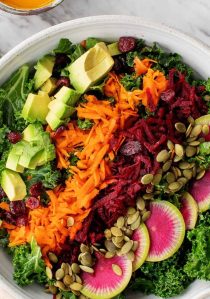
When the time comes and the seasons yield to the coolness of fall you’ll find the tenderest of leaves green and full ready for harvest. Kale is quintessential to every gardeners garden. Sometimes we go months without kale and then suddenly it’s all kale. As the winter wanes and lettuces are done we turn to kale salad to provide just that crunch in those cold winter months.
The key is tomassage the kaleso that the leaves become soft and tender. Here’s how to do it:
Remove the kale leaves from the stems and wash them well. Spread them on kitchen towels to dry, or quickly dry them in a salad spinner.
Tear the kale leaves into bite-sized pieces.
Place them in a large bowl and add fresh lemon juice, ½ teaspoon olive oil, and a few pinches of salt.
Use your hands to massage the lemon and oil into the leaves until they become soft and wilted and reduce in the bowl by about half.
That’s it! Add the root veggies, half the avocado, cranberries, pepitas, and more salt and pepper. Toss to combine.
Carrot Ginger Dressing
This carrot ginger dressing is creamy, vibrant, bright, and refreshing! We love to toss it with salads, drizzle it over grain bowls, or use it as a dipping sauce. It keeps well in an airtight container or Mason jar in the fridge for up to a week.
Ingredients
1½ cups chopped carrots, 1 large or 2 small carrots
⅔ to 1 cup water
½ cup extra-virgin olive oil, more for drizzling
¼ cup rice vinegar
1 tablespoon chopped fresh ginger
½ teaspoon sea salt
Instructions
Preheat the oven to 400°F and line a baking sheet with parchment paper.
Toss the carrots with olive oil and spread evenly on the baking sheet. Roast for 20 to 25 minutes, or until the carrots are soft.
Transfer the cooked carrots to a blender and add ⅔ cup water, the olive oil, vinegar, ginger, and salt. Blend the dressing until smooth. If the dressing is too thick, add up to ⅓ cup more water and blend again.
Chill the dressing in the fridge until ready to use.
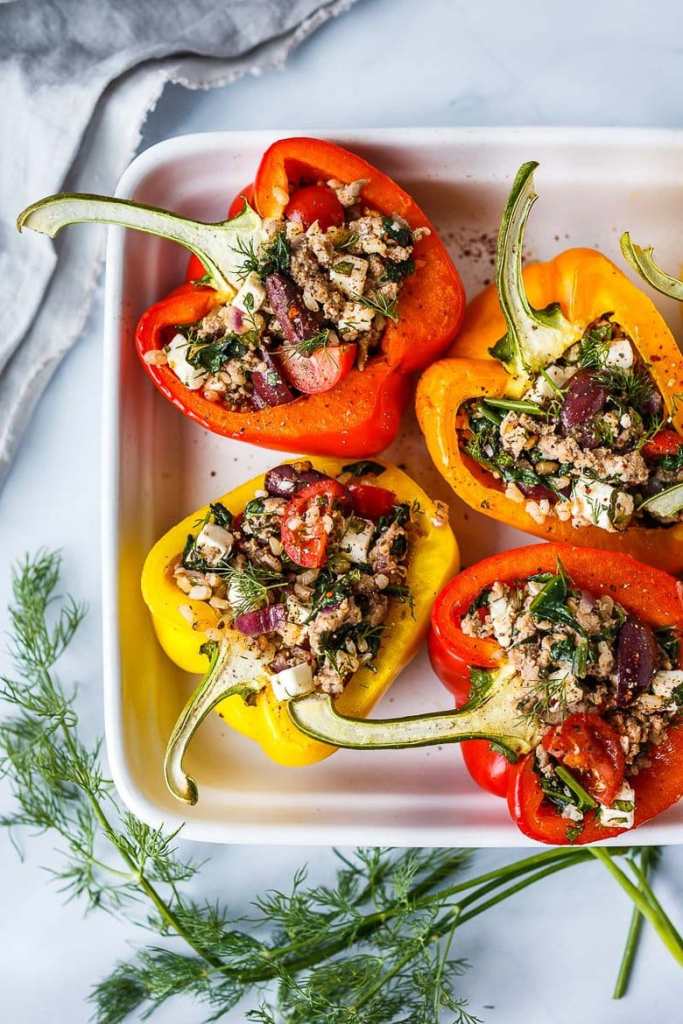
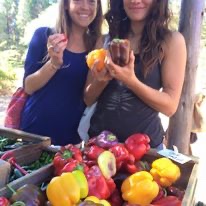
It’s that time of year again when the bell peppers take the show! Colors, crispness and flavor combine to offer a hit of Vitamin C and other powerful antioxidants. Who would guess that eating, pleasure and health are all wrapped up into the food we eat – and the kind of food you want to eat are seasonal vegetables and plenty of them!
4 large bell peppers ( red, yellow or orange, or a mix)
1 cup cooked brown rice, (or sub white rice, quinoa, farro, or cauliflower rice)
2 tablespoons olive oil
1 small red onion, about 1 cup diced
2 teaspoons garlic, minced
1 pound of ground turkey or choice of protein ( ground plant-based meat, lamb, chicken, beef)
1 teaspoon sea salt
1/2 teaspoon black pepper
1 1/2 teaspoons dried oregano
1/4 teaspoon red pepper flakes
2 teaspoons sherry vinegar or red wine vinegar
2 teaspoons tomato paste
1 cup fresh spinach, chopped
10 Kalamata olives, quartered lengthwise
10 cherry tomatoes, quartered or chopped
1 cup (4 ounces) feta cheese, diced or crumbled
1/4 cup parmesan cheese, grated (optional)
1/4 cup fresh dill, roughly chopped
1/4 cup fresh mint, roughly chopped
Slice the peppers in half from the stem down. Discard seeds and pith.
Saute the onion in olive oil for 5 minutes over medium heat. Add the garlic stirring in cooking for a few more minutes.
Add the ground turkey (or protein of your choice), salt, pepper, oregano and red pepper flakes. Cook for 5 minutes until turkey is cooked through. Add vinegar, tomato paste and spinach and tune the heat off. Stir until everything is incorporated and spinach wilts.
Mix in cooked rice, olives, tomatoes, feta, parmesan, dill and mint. Taste and adjust seasonings if needed. Scoop mixture into halved bell pepper shells. Bake at 400F for 20 minutes until hot through. Allow for 10 minutes more baking time if the filling is cold.




 Outer Aisle FOOD HUB