Tips to Making the Best Basil Pesto

So, what makes a good pesto? It should be several things all at once: rich, zingy, light, luxuriant, earthy. A good pesto is bright, It should reflect each of the ingredients in it, all in one spectacular and assertively flavored moment. It should be pungent from the cheese and garlic, and rich from the olive oil. It should have a mellow, earthy tone from the pine nuts. It should be vibrant and fresh tasting owing to the basil. It should be a memorable flavor. Pesto is not a sauce that stands by the sidelines.

Here’s a trick to help keep the color bright and green: You don’t want to add too much heat to the pesto ingredients with the whizzing of your food processor’s blades. Avoid excess heat by freezing the removable blade in the freezer for an hour before making your pesto. Instead of the gradual process above, add all of the ingredients at once and pulse until it has come together for a perfect pesto. Scrape the sides of the bowl inside if needed to re-incorporate any flying basil leaves.

Good quality ingredients are important. You’ll find all of the ingredients at the Farm Stand – the basil (fresh from the farm), garlic (just harvested and amazing flavor), salt, EVOO, Parmesan, and nuts – usually pine nuts but can be replaced with raw almonds (most neutral) but you can use other nuts too – roasting them beforehand will bring out that distinct flavor.

BASIL PESTO by Cookie and Kate

INGREDIENTS

  • ⅓ cup raw pine nuts, almonds, walnuts, pecans or pepitas
  • 2 cups packed fresh basil leaves (about 3 ounces or 2 large bunches)
  • ¼ cup grated Parmesan cheese
  • 1 tablespoon lemon juice
  • 2 cloves garlic, roughly chopped
  • ½ teaspoon fine sea salt
  • ½ cup extra-virgin olive oil

Cook Mode Prevent your screen from going dark

INSTRUCTIONS

  1. (Optional) Toast the nuts or seeds for extra flavor: In a medium skillet, toast the nuts/seeds over medium heat, stirring frequently (don’t let them burn!), until nice and fragrant, 3 to 5 minutes. Pour them into a bowl to cool for a few minutes.
  2. To make the pesto, combine the basil, cooled nuts/seeds, Parmesan, lemon juice, garlic and salt in a food processor or blender. With the machine running, slowly drizzle in the olive oil. Continue processing until the mixture is well blended but still has some texture, pausing to scrape down the sides as necessary.
  3. Taste, and adjust if necessary. Add a pinch of salt if the basil tastes too bitter or the pesto needs more zing. Add more Parmesan if you’d like a creamier/cheesier pesto. If desired, you can thin out the pesto with more olive oil. (Consider, however, that if you’re serving the pesto on pasta, you can thin it with small splashes of reserved pasta cooking water to bring it all together. See notes for details.)
  4. Store leftover pesto in the refrigerator, covered, for up to 1 week. You can also freeze pesto—my favorite way is in an ice cube try. Once frozen, transfer to a freezer bag, then you can thaw only as much as you need later.

Curried Cauliflower Soup

  • AUTHOR: SYLVIA FOUNTAINE Feasting At Home
  • PREP TIME: 15 COOK TIME: 20 TOTAL TIME: 35 MINUTES YIELD: 5 ½ CUPS ( SERVES 3-4) 

** Indicates Items you can Purchase from the Farm Stand or through our Web Store: find out more information about shopping on line through Outer Aisle’s longest running Community Supported Agriculture project.

INGREDIENTS

  • 2 tablespoon olive oil, coconut oil**, or ghee
  • 1 onion, rough chopped **
  • 1 medium-large apple, (Cosmic crisp, Honey crisp) rough chopped (and please don’t leave this out!) **
  • 4–5 garlic cloves, rough chopped **
  • 1 1/2 tablespoons fresh ginger, rough chopped **
  • 1 medium head cauliflower, chopped small (slice into 1/2 inch slices, then chop) **
  • 2 1/2 cups veggie or chicken broth (or use water and 2 bullion cubes)
  • 2 teaspoon yellow curry powder
  • 1 teaspoon coriander
  • 1/4 teaspoon turmeric
  • 3/4 teaspoon salt
  • 3/4 cup cans of coconut milk **(equal parts liquid and solid) See notes for substitutions.
  • a squeeze of lime ** (tablespoon) or orange juice is nice too.

Garnish Toasted coconut flakes**, cilantro ** or scallions** or sprouts.

INSTRUCTIONS

  1. Heat oil in a large heavy bottom pot or dutch oven, over medium-high heat. Add onions, sauté 2-3 minutes. Add garlic, ginger and apple and keep sautéing, turning heat down if need be, until golden and fragrant, about 4-5 minutes. Add cauliflower, broth, curry powder, coriander, turmeric and salt. Stir.
  2. Bring to a boil, cover and simmer on low heat until cauliflower is very very tender, about 15 minutes
  3. Puree until very smooth- either using an immersion blender or blender (in batches).
  4. Add the lime juice, and stir in the coconut milk. (I used about 1/2 of a 14-ounce can, both solids and liquid- feel free to add more coconut milk to taste- personally, it felt too heavy using it all-but up to you! If you do add more, you may need more salt.)
  5. Garnish with a little swirl of coconut milk, toasted coconut flakes, cilantro leaves (or scallions or micro greens).

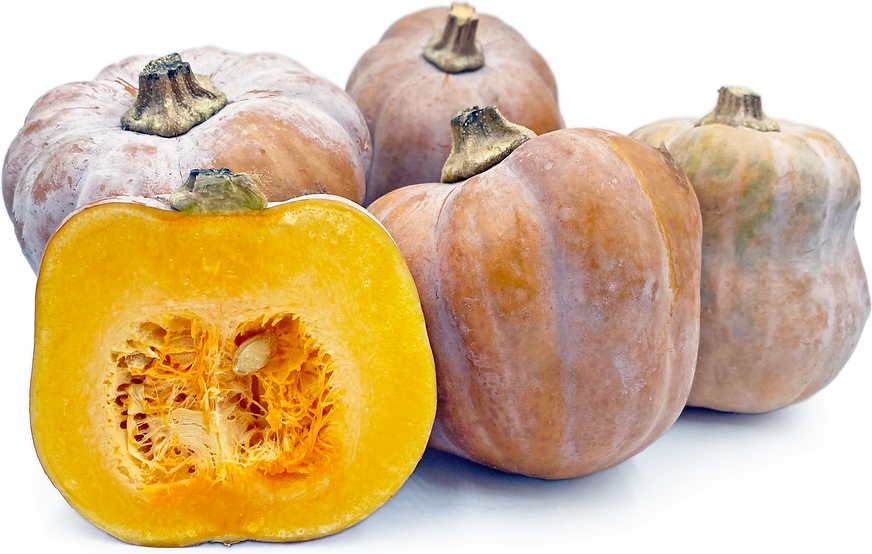
ROASTED KOGINUT SQUASH (+ PURÉE)

INGREDIENTS

2 Koginut squash

1 tablespoon olive oil or vegetable oil

Salt and freshly ground black pepper

DIRECTIONS

Preheat oven to 400˚F. Holding each squash securely on its side, remove the stem by firmly knocking it several times with the top (blunt) end of a chef’s knife—it should pop right off. Working top to bottom, slice each squash in half, then use a spoon to scoop out the seeds. (Compost the seeds, if possible, or clean, roast and eat them.) Salt and oil the cut sides of the squash halves, then place them cut-side down on a baking sheet. Roast in the oven for 35 minutes. Remove the sheet from the oven, use tongs to flip the squash halves over, and brush more olive oil over the tops. Return to the oven and continue roasting until soft and caramelized, about 15 to 20 minutes more. Finish with a drizzle of good olive oil and a sprinkling of crunchy salt. To make the purée: Let the roasted squash halves cool completely. To mash the squash, you can either use a tamis sieve (often used for sifting flour) or a wire baking rack. If using the tamis, scoop the flesh out of the skins with a spoon, then force it through the sieve with a flexible spatula or bowl scraper into a medium bowl below. If using the baking rack, rest it over a medium bowl and place one of the squash halves over the rack, flesh-side down; pushing gently but firmly, smear the squash back and forth to force the flesh through the rack. You should be left with the skin still in your hand, but a very fine mash in the bowl. Repeat with the rest of the squash halves. Transfer the mashed squash into the bowl of a food processor, and blend until completely smooth, taking breaks to scrape down the sides of the bowl. If the squash does not move once the food processor is running, add a small amount of water to get it going; no added moisture is ideal, however.If you’re planning to use this versatile unseasoned purée at a later date, pack it into labeled airtight containers and store it in the freezer. If, however, it tastes too delicious to wait, eat immediately seasoned with salt, lemon juice and generous amounts of good olive oil, butter or brown butter.